
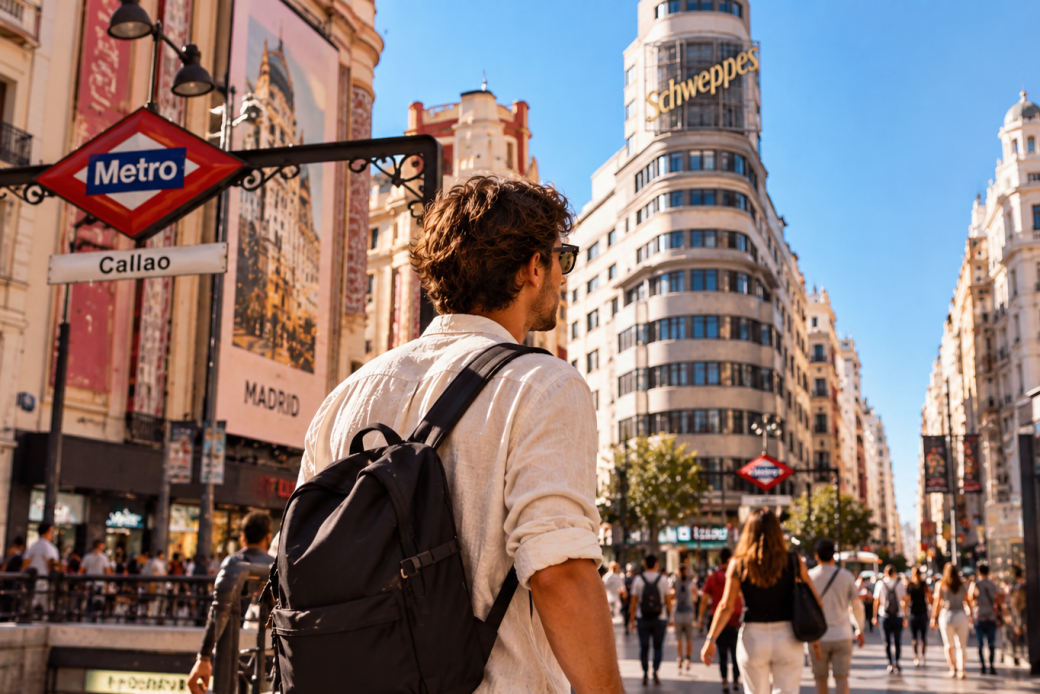
The best areas to live in Madrid depend on the kind of week you want to create. Choose Centro or Malasaña for walkable culture and a full social calendar, Retiro or Arganzuela for green space and a balanced routine, or Chamartín and Tetuán for business connections and easy transport. If you want more room in your budget, Carabanchel, Usera and Ciudad Lineal give you more neighborhood profiles to compare.
As a planning guide, a room in a shared apartment may sit around €550–€900 per month, while a furnished one-bedroom apartment often falls around €1,000–€1,700, depending on the district, size and contract. Add utilities, groceries, transport, leisure and your preferred workspace to see the full monthly picture.
What would make your Madrid routine feel right after you close your laptop: a park nearby, cafés downstairs, a direct metro route, a short trip to the airport or more space at home? Your answer is the most useful starting point for comparing Madrid’s best neighborhoods.
Which Madrid neighborhood matches your week?
The table below gives you a quick way to connect your priorities with a first group of areas. The rent figures are planning ranges for a furnished one-bedroom, not fixed prices: the exact home, season and contract will shape the final amount.
| If you want… | Areas to explore | One-bedroom planning range | What your week could feel like |
| Culture, cafés and walkability | Centro, Malasaña, Lavapiés, La Latina | €1,150–€1,700 | Historic streets, restaurants, galleries and plenty of places to work or meet people |
| Green space with a central location | Retiro, Ibiza, Pacífico | €1,200–€1,800 | Morning walks, easy access to the park and a residential rhythm close to the center |
| Premium services and polished city living | Salamanca, Chamberí | €1,400–€2,100 | Excellent everyday services, restaurants, professional connections and elegant streets |
| Creative energy and riverside walks | Arganzuela, Acacias, Delicias, Legazpi | €1,050–€1,650 | Madrid Río, cultural plans, local cafés and practical connections across the city |
| Business links and national connections | Chamartín, Tetuán, Cuatro Caminos | €1,000–€1,650 | Metro, rail and business districts within easy reach |
| More space and a flexible housing budget | Carabanchel, Usera, Ciudad Lineal | €850–€1,350 | Local commerce, useful transport links and more room to shape your home |
How much does it cost to live in Madrid by neighborhood?
Madrid city’s average asking rent reached €23.4 per square meter in September 2026, according to Idealista’s Madrid rental price report. The district-level picture helps explain why the same monthly budget can create very different routines: Centro stood at €26.1/m², Salamanca at €28.5/m², Retiro at €24.0/m², Arganzuela at €22.4/m², Tetuán at €22.9/m², Moncloa at €21.8/m², Ciudad Lineal at €20.1/m², Usera at €19.9/m² and Carabanchel at €19.3/m².
These are asking-rent benchmarks for standard residential listings. Furnished monthly stays, short contracts, utilities, deposits and seasonal demand can follow a different structure, so use them as a comparison point while you review real homes.
| Housing setup | Housing planning range | Other monthly costs* | Indicative monthly total |
| Room in a shared apartment | €550–€900 | €600–€950 | €1,150–€1,850 |
| Furnished one-bedroom apartment | €1,000–€1,700 | €700–€1,100 | €1,700–€2,800 |
| Furnished two-bedroom apartment or couple’s setup | €1,400–€2,300+ | €900–€1,400 | €2,300–€3,700+ |
*Utilities, internet, groceries, public transport, leisure and an occasional coworking or workspace budget. Your routine can sit above or below these ranges.
A useful rule is to compare the total value of the location, rather than rent on its own. A home close to your regular route may give you more time for friends, exercise or focused work, while a more residential area may give you a larger home. Which trade-off would improve your ordinary Tuesday?
Best neighborhoods to live in Madrid by lifestyle
Madrid offers enough variety for you to choose the atmosphere as carefully as the apartment. The broader guide to living in Madrid as a digital nomad covers the city’s wider costs, transport and everyday rhythm; once Madrid feels like your direction, these neighborhood profiles can help you choose your base.
Centro, Malasaña, Lavapiés and La Latina: for culture and walkability
The central districts suit people who want the city to start at their front door. Centro brings historic streets, restaurants, shops and cultural plans; Malasaña adds independent cafés and creative spaces; Lavapiés offers a diverse food and cultural scene; and La Latina works well if plazas, local restaurants and weekend plans matter to you. Compare the exact street as well as the wider area, especially when your home also serves as your office.
Salamanca and Chamberí: for polished city living and services
Salamanca and Chamberí are strong matches if reliable services, restaurants, professional networks and a refined residential setting are high on your list. Salamanca places you close to Retiro and central connections, while Trafalgar, Almagro, Ríos Rosas and Gaztambide give Chamberí a local feel. Would you enjoy finishing a workday with a short walk to dinner, a gallery or a favorite café?
Retiro, Ibiza and Pacífico: for green space and a balanced routine
If your ideal home includes a quick route to a park, start with Retiro, Ibiza and Pacífico. You can build outdoor time into the day through El Retiro park and the streets around Atocha, while keeping a central location and a residential rhythm. This is one of the best neighborhoods in Madrid to live in if you like starting the morning with a walk or taking a reset outdoors between calls.
Arganzuela: for riverside walks, culture and central connections
Arganzuela gives you a useful middle ground between central access and more open space. Acacias, Delicias, Chopera and Legazpi each have their own feel, while Madrid Río and Matadero Madrid add room for walks and cultural plans. Its September 2026 asking-rent benchmark was €22.4/m², close to the city average, so look at the route to your regular destinations and the distance to your preferred shops, gym or workspace.
Tetuán and Chamartín: for business connections and modern city life
Tetuán and Chamartín work well for remote workers who want access to business areas, rail connections and the wider city. Cuatro Caminos, Cuzco and Castillejos sit close to major transport routes, while Chamartín adds a residential and business-oriented atmosphere. Their September 2026 benchmarks were €22.9/m² and €23.7/m² respectively, so compare door-to-door journeys when you collaborate with teams in different cities or travel regularly.
Moncloa-Argüelles: for students, parks and central access
Moncloa and Argüelles combine university energy, green space and straightforward access to the center. Cafés, bookshops, cultural plans and parks sit within a short walk, while the transport hub helps you reach other parts of Madrid. The district’s September 2026 benchmark was €21.8/m²; explore the exact street at the times when you would usually work, exercise or meet friends.
Carabanchel, Usera and Ciudad Lineal: for space and local life
If you want your housing budget to go further, Carabanchel, Usera and Ciudad Lineal give you a broad set of homes, local commerce, restaurants and public transport. September 2026 asking-rent benchmarks were €19.3/m² in Carabanchel, €19.9/m² in Usera and €20.1/m² in Ciudad Lineal. They are an excellent starting point when you value a larger home, a local atmosphere or extra room in your monthly plan. Which of those three would make your home feel most like yours?
Hortaleza, Arturo Soria and Barajas: for a residential base and airport access
Hortaleza, Arturo Soria and Barajas are worth comparing if you prefer modern housing, a residential atmosphere or a convenient route to the airport. They can support a well-organized routine when your work combines remote days with regular trips; test the full journey at the times you are most likely to travel and make sure cafés, shops and social plans remain close to home.
A practical decision matrix for choosing your Madrid area
The fastest way to narrow your search is to name your first priority, then compare two or three areas against the same practical questions. Use this matrix as a starting point.
| Your main priority | Start by comparing | What to check next |
| Walking to culture, cafés and social plans | Centro, Malasaña, La Latina, Lavapiés | Street noise, home office light and the distance to your regular shops |
| A park as part of your daily routine | Retiro, Ibiza, Pacífico, Arganzuela | Morning walking route, grocery access and the feel of the street after work |
| Professional connections and city-wide mobility | Chamberí, Salamanca, Tetuán, Chamartín | Door-to-door travel time, metro links and the location of your recurring plans |
| More space at home | Carabanchel, Usera, Ciudad Lineal, Hortaleza | Internet quality, transport frequency and the time needed to reach your favorite areas |
| Frequent airport or rail travel | Chamartín, Tetuán, Barajas, Hortaleza | Early-morning route, luggage-friendly connections and your preferred home rhythm |
| A lively but balanced base | Arganzuela, Chamberí, Retiro | Housing size, green space and the mix of cafés, services and community nearby |
Madrid’s official Metro de Madrid network is a useful reference when you compare these options. Instead of measuring distance alone, plan the journey from the apartment to your most repeated destinations: your workspace, a supermarket, a gym, the station and one place where you would like to meet people.
A practical checklist before choosing your neighborhood
You can make the final choice more confidently when you test the neighborhood as part of your real routine. Before signing or committing to a longer stay, use this checklist:
- Calculate the all-in monthly cost: rent, utilities, internet, transport, groceries, deposits and the workspace setup you actually want.
- Test the home as an office: check Wi-Fi, natural light, desk space, sound levels, ventilation, heating and air conditioning.
- Map your everyday anchors: place a supermarket, pharmacy, gym, park, metro station and preferred workspace on the same map.
- Run your usual journeys: time the route to the places you expect to visit every week, including an early start or a late return.
- Visit at different times: notice how the area feels in the morning, during your workday and after dinner.
- Choose for your next six months: ask whether the neighborhood supports the season, work rhythm and social life you are hoping to build.
If you work remotely and enjoy changing settings during the week, you can also explore workspaces and community options through the WanderPad app. A neighborhood becomes much easier to picture when you can see where you might work, meet people and return regularly.
Frequently asked questions about the best areas to live in Madrid
What are the best areas to live in Madrid for remote workers?
Arganzuela, Retiro, Chamberí, Tetuán and Centro are strong starting points, with each one offering a different balance of workspace options, transport, green space and social life. The ideal choice depends on whether your priority is walkability, a park nearby, professional connections or a larger home.
Which are the best neighborhoods to live in Madrid with a more flexible budget?
Carabanchel, Usera and Ciudad Lineal are useful areas to compare when you want more space or more flexibility in your housing plan. Their September 2026 asking-rent benchmarks were below the Madrid city average, while metro and local services help keep daily life connected.
Where should I live in Madrid if I want parks nearby?
Start with Retiro, Ibiza, Pacífico and Arganzuela. Retiro and Ibiza place the El Retiro park at the center of your routine, while Arganzuela gives you access to Madrid Río and several cultural spaces. The exact street and walking route matter, so explore both before choosing.
Which Madrid neighborhoods are best for professional connections?
Chamberí, Salamanca, Tetuán, Chamartín and Centro offer a strong mix of central access, services, events and transport. Tetuán and Chamartín are especially useful if your work connects with northern business areas or frequent rail travel, while Chamberí and Centro keep cultural and professional plans close.
Can I make Madrid my home without owning a car?
Yes. Many remote workers choose a Madrid neighborhood where the home, local services and a metro station are close together. Check your real weekly routes, then choose the area that makes your most frequent journeys simple and comfortable.
Choose the Madrid neighborhood that supports your week
There is a Madrid neighborhood for almost every version of city life: lively, green, professional, residential, creative or community-led. The best choice is the one that makes your ordinary week feel easier to enjoy, not simply the one with the most recognizable name.
Start with two areas, compare the total monthly cost and spend time there at the hours that matter to you. Which neighborhood can you already imagine returning to after a focused workday? That answer may be the clearest sign that you have found your Madrid base.